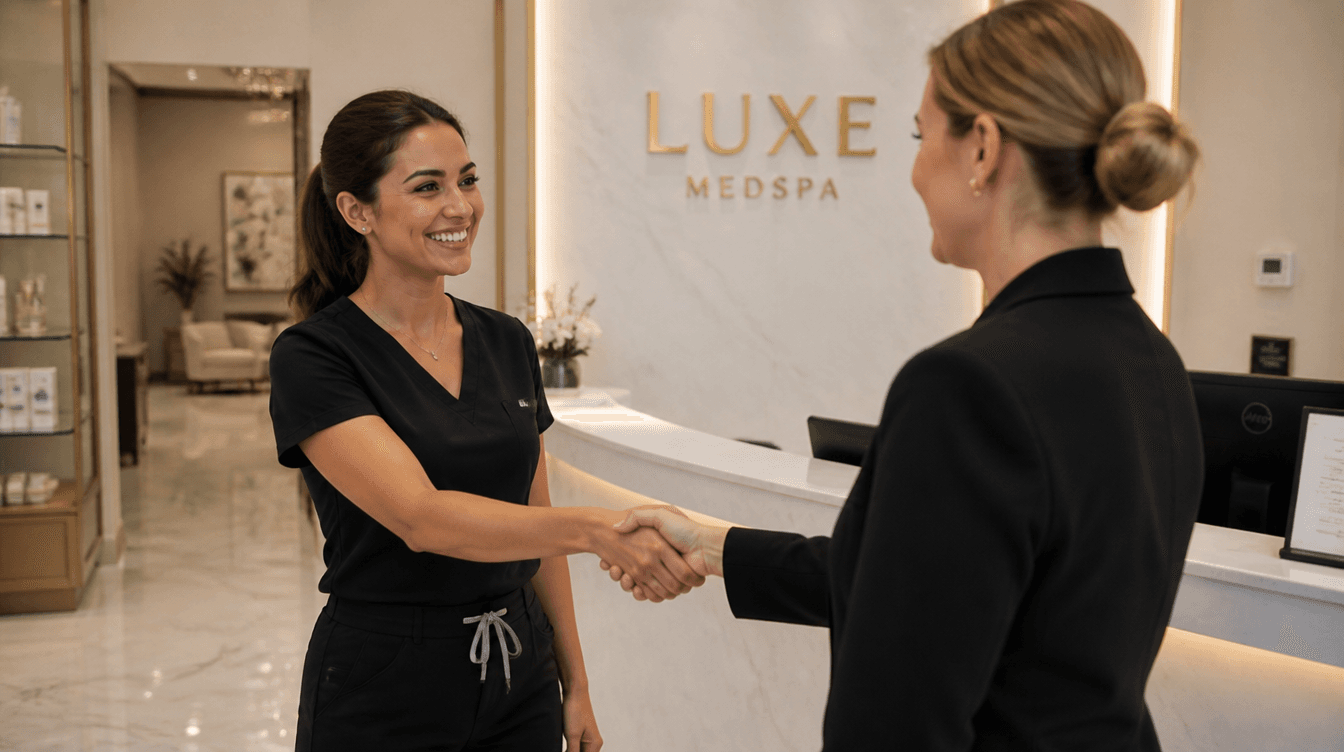

The rapid growth of the aesthetics industry has created exciting opportunities for clinics, but it has also introduced new operational challenges. As more patients seek cosmetic injectables, laser treatments, body contouring, and wellness services, administrative workloads continue to expand. This is where a Virtual Clinic Coordinator for medspas becomes a valuable business asset rather than simply an extra pair of hands. By handling time-consuming administrative responsibilities, clinics can improve efficiency, deliver exceptional patient experiences, and create more opportunities for revenue growth. Instead of stretching in-house teams too thin, medspa owners are discovering that strategic administrative support allows providers to focus on what truly matters—delivering outstanding patient care.
Today’s patients expect quick responses, convenient scheduling, seamless communication, and personalized follow-up throughout their treatment journey. Meeting these expectations requires far more than answering phones at the front desk. Every inquiry, appointment request, consultation reminder, and patient record must be managed efficiently to maintain a positive patient experience. As medspas grow, these responsibilities become increasingly difficult for in-house staff to handle alone.
Why Administrative Work Is Increasing Alongside Patient Demand
The medical aesthetics industry has evolved significantly over the past decade. Modern patients interact with clinics through multiple channels, including websites, online booking platforms, social media, email, SMS, and live chat. Each communication channel generates administrative work that must be handled promptly.
Beyond scheduling appointments, clinics now manage digital consent forms, consultation reminders, post-treatment instructions, patient recalls, online reviews, and lead nurturing campaigns. Every missed inquiry or delayed response can translate into lost revenue and lower patient satisfaction.
As clinics introduce additional services or expand into multiple locations, administrative complexity increases even further. Without efficient systems and dedicated support, owners and clinical teams often find themselves spending more time managing operations than growing the business.
The Hidden Cost of Overloading In-House Teams
One of the biggest operational mistakes many medspas make is asking highly skilled providers to perform administrative work. Injectors, nurses, and physicians generate revenue while treating patients—not while answering emails or confirming appointments.
Every minute spent handling scheduling conflicts, following up on missed consultations, or organizing paperwork represents valuable treatment time that could have been spent serving patients.
The opportunity cost extends beyond lost revenue. Administrative overload often leads to:
- Longer patient response times
- Increased scheduling errors
- Missed sales opportunities
- Employee frustration
- Staff burnout
- Lower patient satisfaction
When front desk employees become overwhelmed, service quality often declines. Small mistakes such as delayed callbacks or missed appointment reminders can negatively affect patient retention and clinic reputation.
How Virtual Clinic Coordinators Are Transforming Medspa Operative Tasks
Rather than viewing virtual support as a replacement for in-house staff, successful clinics see it as an extension of their existing team. A virtual coordinator handles essential administrative responsibilities remotely while integrating seamlessly into the clinic’s daily workflow.
This strategic approach enables providers and practice managers to concentrate on higher-value responsibilities such as consultations, treatment delivery, staff development, and business expansion.
Unlike traditional outsourcing models focused solely on reducing costs, today’s virtual professionals contribute directly to operational efficiency. They help maintain organized workflows, improve communication, and ensure administrative tasks never become bottlenecks.
Many clinics also combine these services with broader Clinic Administrative Support, creating streamlined systems that improve productivity across every department.
Managing Emails, Phone Calls, and Live Chat
Patient communication has become one of the most time-consuming aspects of running a modern medspa. Prospective clients expect immediate answers to questions about treatments, pricing, financing, consultation availability, and post-treatment care.
A virtual clinic coordinator helps ensure inquiries never go unanswered by managing:
- Incoming phone calls
- Appointment requests
- Email correspondence
- Website live chat
- SMS communications
- Consultation confirmations
- Follow-up reminders
Fast, professional communication builds trust while improving conversion rates from inquiries into booked consultations.
What Is a Virtual Clinic Coordinator?
A virtual clinic coordinator is a remote administrative professional who manages the day-to-day operational tasks that keep a medical aesthetics practice running efficiently. While they work remotely, they function as an integrated member of the clinic team, supporting providers, front desk staff, and management.
Instead of simply answering phones, they oversee multiple administrative workflows that directly impact patient experience, scheduling efficiency, and overall clinic performance.
As clinics continue to scale, this role has become an essential component of modern operational strategy rather than an optional support position.
Definition and Core Responsibilities
The responsibilities of a virtual clinic coordinator often include:
- Appointment scheduling and calendar management
- Patient communication
- Digital intake processing
- Medical documentation support
- Consultation follow-ups
- CRM updates
- Referral coordination
- Administrative reporting
- Insurance verification assistance
- Recall campaigns
These tasks ensure patients receive timely communication while providers maintain organized schedules throughout the day.
How the Role Differs from a Traditional Front Desk Receptionist
Although both roles support clinic operations, a virtual clinic coordinator typically manages a broader range of responsibilities using cloud-based systems and practice management software.
Traditional receptionists primarily focus on patients physically visiting the clinic. Virtual coordinators, however, manage digital workflows before, during, and after appointments. They coordinate communication across multiple platforms while ensuring every administrative process continues smoothly regardless of clinic volume.
This expanded role enables clinics to extend administrative coverage without increasing office space or in-person staffing requirements.
Why Medspas Are Rapidly Adopting Virtual Administrative Support
Growing clinics need scalable operational solutions. Hiring additional in-house staff often involves recruiting expenses, office space, equipment, employee benefits, and ongoing payroll costs.
Virtual administrative professionals provide experienced support while offering greater flexibility and scalability. Many clinics discover they can increase booking capacity and improve operational efficiency without significantly increasing overhead.
As a result, many business owners now view a medspa virtual assistant as a strategic investment that supports long-term growth rather than simply reducing administrative workload.
Why Medspas Need More Than Basic Administrative Assistance
Administrative support is no longer just about answering phones or checking patients in for appointments. Today’s competitive medspa environment demands proactive coordination that supports both patient satisfaction and business growth.
The most successful clinics recognize that efficient operations create better patient experiences while allowing providers to maximize revenue-generating treatment hours.
Balancing Exceptional Patient Care with Business Growth
Every clinic wants to deliver personalized care, but operational inefficiencies often interfere with that goal. When providers constantly switch between patient treatments and administrative responsibilities, neither receives their full attention.
Dedicated administrative coordination allows clinicians to remain focused on patient outcomes while ensuring every inquiry, appointment, and follow-up receives prompt attention.
Managing High Volumes of Daily Administrative Tasks
Even a small medspa can process hundreds of administrative actions every week. Scheduling appointments, responding to leads, sending reminders, updating records, managing digital paperwork, and coordinating patient communication all require consistent attention.
Without structured administrative workflows, these responsibilities quickly become overwhelming.
Reducing Staff Burnout and Operational Bottlenecks
Administrative overload contributes significantly to employee stress and turnover. Front desk staff often juggle multiple responsibilities simultaneously while attempting to maintain excellent customer service.
Distributing these responsibilities through professional Clinic Administrative Support helps reduce pressure on in-house employees, minimizes operational bottlenecks, and creates a healthier work environment where everyone can perform at their best.
The Business Case for Hiring a Virtual Clinic Coordinator
Hiring a virtual clinic coordinator is not simply an operational decision—it is a business strategy designed to improve profitability, efficiency, and scalability.
By allowing providers to spend more time treating patients instead of managing administrative work, clinics increase their revenue potential while improving patient satisfaction.
Lower Operating Costs Compared to In-House Staff
Virtual staffing reduces many expenses associated with traditional hiring, including office space, equipment, utilities, employee benefits, and recruitment costs. Clinics gain experienced administrative support while maintaining greater financial flexibility.
Increased Administrative Efficiency
Dedicated coordinators create standardized workflows, improve communication consistency, reduce scheduling errors, and ensure daily administrative responsibilities are completed on time.
Greater Flexibility for Growing Clinics
As patient demand increases, virtual administrative support can scale alongside the business. Clinics can expand operational capacity without constantly restructuring their physical workforce.
Higher Return on Investment (ROI)
Perhaps the greatest advantage is the return on investment. Every hour providers recover from administrative work can be redirected toward consultations, treatments, and revenue-generating activities. Over time, this operational shift improves both profitability and patient experience, making virtual coordination one of the smartest growth strategies available to modern medspas.
Core Responsibilities of a Virtual Clinic Coordinator
A virtual clinic coordinator serves as the operational backbone of a growing medspa. Their responsibilities extend well beyond scheduling appointments, supporting nearly every administrative touchpoint throughout the patient journey.
They commonly manage appointment scheduling and calendar optimization, patient intake and registration support, insurance verification and documentation assistance where applicable, follow-up communication and recall campaigns to improve retention, referral coordination, and administrative reporting that provides clinic owners with valuable operational insights. By overseeing these essential functions, they help create a more organized, efficient, and scalable practice while allowing providers and leadership to focus on delivering exceptional patient care and driving long-term business growth.
Improving the Patient Experience Through Virtual Coordination
Patient experience has become one of the strongest competitive advantages in the medical aesthetics industry. While treatment outcomes remain essential, the overall journey—from the first inquiry to post-treatment follow-up—often determines whether patients return and recommend a clinic to others.
A Virtual Clinic Coordinator for medspas plays a significant role in creating a smooth, professional, and patient-centered experience. By managing communications, coordinating appointments, and ensuring administrative tasks are completed efficiently, they help eliminate common frustrations that can negatively impact patient satisfaction.
When patients receive prompt responses, clear communication, and organized scheduling, they develop greater confidence in the clinic before they even step through the door.
Faster Response Times
Patients today expect quick answers. Whether they’re asking about treatment availability, pricing, financing options, or consultation schedules, delayed responses can lead them to book with another provider.
A virtual coordinator continuously monitors communication channels and responds promptly to inquiries, ensuring potential patients remain engaged throughout the booking process.
Seamless Appointment Scheduling
Efficient scheduling goes far beyond selecting an available time slot. It involves coordinating provider availability, treatment durations, consultation requirements, and follow-up appointments while minimizing scheduling conflicts.
Accurate scheduling reduces confusion for both patients and staff while helping clinics maximize their daily appointment capacity.
Personalized Patient Communication
Every patient wants to feel valued rather than treated like another appointment on the calendar. Personalized communication helps strengthen trust throughout the patient journey.
Virtual coordinators can customize confirmations, follow-up messages, treatment reminders, and educational communications based on each patient’s treatment plan, improving both engagement and long-term loyalty.
Reduced Waiting and Administrative Delays
Administrative delays often create unnecessary stress for patients. Late paperwork, incomplete registrations, and communication gaps can extend wait times and negatively affect the overall experience.
By providing consistent Clinic Administrative Support, virtual coordinators ensure documentation, appointment preparation, and patient communications are completed before the visit, allowing appointments to run more smoothly.
Increasing Front Desk Productivity
The front desk serves as the operational hub of every medspa, but it can quickly become overwhelmed by competing priorities. Phone calls, patient check-ins, payment processing, appointment scheduling, and provider requests often occur simultaneously.
Rather than replacing in-house receptionists, virtual coordination strengthens the front desk by distributing administrative responsibilities more effectively.
Reducing Interruptions for On-Site Staff
Constant phone calls and incoming inquiries interrupt front desk employees throughout the day. Frequent interruptions reduce productivity and increase the likelihood of scheduling mistakes.
A virtual coordinator manages many of these communications remotely, allowing on-site staff to focus on patients currently visiting the clinic.
Allowing Clinical Teams to Focus on Patient Care
Providers deliver the greatest value when treating patients—not answering administrative questions.
When nurses, injectors, and physicians are no longer interrupted by scheduling issues or routine communications, they can remain fully focused on consultations, treatments, and patient outcomes.
Improving Daily Workflow Efficiency
Efficient administrative coordination keeps information flowing between departments while reducing duplicated work.
Appointment updates, patient notes, documentation requests, and schedule adjustments are handled systematically, allowing the clinic to operate more efficiently throughout the day.
Reducing No-Shows and Appointment Gaps
Missed appointments represent one of the largest hidden revenue losses for many medspas. Every empty treatment slot affects provider productivity while creating scheduling inefficiencies across the entire clinic.
A proactive Virtual Clinic Coordinator for medspas helps reduce these gaps through consistent communication and organized scheduling processes.
Automated Appointment Confirmations
Automated confirmations ensure patients receive immediate verification after booking while reducing uncertainty before their appointment.
These confirmations also give patients an easy opportunity to update or reschedule if necessary.
Reminder Calls, SMS, and Email Follow-Ups
Strategic reminders significantly reduce no-show rates.
Virtual coordinators oversee reminder campaigns across multiple communication channels, including:
- SMS reminders
- Email confirmations
- Phone call reminders
- Treatment preparation instructions
- Post-confirmation follow-ups
Consistent communication keeps appointments top of mind while improving attendance.
Managing Waitlists Effectively
Last-minute cancellations don’t have to result in lost revenue.
Virtual coordinators actively maintain waitlists and quickly contact patients who are available to fill newly opened appointment slots. This approach maximizes schedule utilization while providing patients with earlier treatment opportunities.
Improving Provider Utilization
Well-managed schedules allow providers to spend more time treating patients and less time waiting between appointments.
Higher provider utilization directly contributes to improved clinic profitability without increasing marketing costs or staffing levels.
Supporting Revenue Growth Through Better Operations
Operational excellence is closely tied to financial performance. When administrative systems run efficiently, providers can serve more patients, staff experience less stress, and patients receive a higher level of service.
Rather than focusing solely on cost savings, medspa owners should view virtual coordination as a growth strategy that supports long-term profitability.
Maximizing Appointment Capacity
Organized scheduling minimizes gaps between treatments while reducing double bookings and administrative errors.
Optimized calendars enable clinics to accommodate more patients without extending operating hours.
Increasing Patient Retention
Patient retention depends heavily on consistent communication.
Appointment reminders, treatment recalls, educational emails, wellness check-ins, and follow-up messages help maintain long-term patient relationships while encouraging repeat visits.
Improving Upsell Opportunities Through Consistent Communication
Patients are often interested in complementary treatments but may not know which options best fit their goals.
Through organized communication, a medspa virtual assistant can help coordinate educational follow-ups, consultation reminders, and discussions about additional services, creating opportunities for providers to recommend appropriate treatment plans during future visits.
Reducing Revenue Loss from Administrative Errors
Administrative mistakes can have significant financial consequences.
Missed appointments, duplicate bookings, incomplete paperwork, delayed responses, and overlooked patient inquiries all contribute to lost revenue.
Professional administrative coordination helps minimize these costly errors while creating more reliable operational systems.
Enhancing Team Collaboration
Successful medspas depend on seamless collaboration between providers, administrators, marketing teams, and management. As clinics grow, maintaining effective communication becomes increasingly important.
Virtual coordinators help ensure every team member has access to accurate scheduling information, patient updates, and operational priorities.
Coordinating Between Providers and Administrative Staff
Efficient coordination reduces confusion throughout the patient journey.
Providers remain informed about schedule changes, patient requirements, and treatment preparations while administrative teams stay updated on provider availability and clinic operations.
Managing Internal Communications Efficiently
Daily communication often includes appointment adjustments, patient requests, documentation updates, inventory coordination, and operational announcements.
Virtual coordinators organize these communications to ensure important information reaches the appropriate team members promptly.
Supporting Multi-Provider Scheduling
Scheduling multiple injectors, physicians, aestheticians, and treatment rooms requires careful coordination.
Virtual administrative support helps optimize provider availability while minimizing scheduling conflicts and maximizing clinic productivity.
Helping Multi-Location Medspas Scale Efficiently
Growth often brings additional operational complexity. Multiple locations require standardized processes that ensure every patient receives the same high-quality experience regardless of which clinic they visit.
A centralized virtual coordination model allows expanding medspas to scale operations without proportionally increasing administrative overhead.
Centralizing Administrative Support
Instead of hiring separate administrative teams for every location, growing organizations can centralize many administrative responsibilities through virtual support.
This creates greater consistency while improving resource allocation across the business.
Standardizing Scheduling Processes
Standardized scheduling protocols reduce confusion for both patients and staff.
Consistent appointment procedures, communication templates, documentation standards, and workflow processes help maintain operational quality as the organization expands.
Maintaining Consistent Patient Experiences Across Locations
Patients expect the same level of professionalism whether they visit the original clinic or a newly opened branch.
Reliable Clinic Administrative Support, combined with experienced virtual coordination, helps ensure every location delivers prompt communication, organized scheduling, and exceptional service. As a result, clinic owners can scale confidently, knowing their operational foundation is built to support sustainable growth without compromising the patient experience.
Ensuring Compliance and Data Security
For medspas, operational efficiency should never come at the expense of patient privacy or regulatory compliance. Every appointment scheduled, intake form completed, and patient inquiry handled involves sensitive information that must be managed responsibly. As clinics increasingly adopt remote administrative support, maintaining strong data security practices becomes a critical part of business operations.
A Virtual Clinic Coordinator for medspas should operate within clearly defined compliance protocols, using secure systems and standardized workflows to protect confidential patient information. When implemented correctly, virtual coordination not only improves efficiency but also strengthens administrative consistency and accountability.
By combining secure technology with well-trained professionals, medspas can confidently scale their operations while safeguarding patient trust.
Protecting Patient Information
Patient records contain confidential personal and medical information that requires careful handling. Virtual coordinators should follow secure procedures when accessing, updating, and sharing patient data while using encrypted communication channels and approved software platforms.
Establishing role-based access controls and secure login practices further reduces the risk of unauthorized access.
Supporting HIPAA-Compliant Administrative Processes
Although treatment providers remain responsible for clinical care, administrative teams play an important role in supporting compliance. Virtual coordinators help maintain HIPAA-compliant workflows by handling documentation, appointment communications, and patient information according to established privacy policies.
For clinics serving patients across different regions, following local healthcare privacy regulations alongside HIPAA best practices strengthens overall risk management.
Maintaining Accurate Documentation
Accurate records support both operational efficiency and patient safety. Every appointment update, patient communication, consultation request, and administrative action should be documented consistently.
Reliable Clinic Administrative Support helps reduce documentation errors while ensuring providers have access to organized and up-to-date patient information whenever it’s needed.
Essential Skills Every Virtual Clinic Coordinator Should Have
Not every virtual assistant is equipped to support the fast-paced environment of a medical aesthetics practice. The most successful virtual clinic coordinators combine administrative expertise with healthcare knowledge, exceptional communication skills, and strong organizational abilities.
Hiring someone with the right combination of technical and interpersonal skills allows clinics to improve operational performance while maintaining a high standard of patient care.
Strong Communication Skills
Virtual coordinators communicate with patients, providers, and administrative teams throughout the day. Professional, friendly, and responsive communication helps build trust while ensuring patients receive clear and accurate information.
Whether answering questions, confirming appointments, or coordinating follow-ups, effective communication directly influences the overall patient experience.
Medical Administrative Knowledge
Understanding common healthcare workflows enables coordinators to work more efficiently within a clinical environment.
Knowledge of medical terminology, patient intake procedures, documentation standards, insurance verification, and privacy requirements allows them to integrate seamlessly into daily operations.
Scheduling and Practice Management Expertise
Scheduling is one of the most important administrative responsibilities in any medspa.
Experienced coordinators know how to optimize provider calendars, manage treatment durations, minimize scheduling conflicts, and maintain productive daily schedules that maximize appointment capacity.
Customer Service Excellence
Outstanding customer service extends beyond answering questions. Every interaction should leave patients feeling heard, supported, and confident in the clinic’s professionalism.
A positive administrative experience often influences whether patients proceed with consultations, return for future treatments, or recommend the clinic to others.
Technical Proficiency with Healthcare Software
Modern clinics rely on multiple digital platforms to manage appointments, patient records, communications, and reporting.
An experienced medspa virtual assistant should be comfortable learning and using practice management software, scheduling systems, CRM platforms, communication tools, and cloud-based collaboration applications with minimal supervision.
Technology That Enables Virtual Clinic Coordination
Technology has transformed how medspas manage daily operations. Cloud-based platforms now allow remote administrative professionals to collaborate with in-house teams in real time, creating efficient workflows regardless of physical location.
Rather than relying on disconnected systems, successful clinics integrate scheduling, communication, documentation, and reporting into centralized digital environments. This allows virtual coordinators to work as fully connected members of the practice while maintaining accuracy, efficiency, and security.
Investing in the right technology not only improves operational performance but also provides the foundation for sustainable growth.
Practice Management Systems
Practice management software serves as the operational center of most medspas.
Virtual coordinators use these platforms to manage appointments, provider schedules, patient communications, documentation, billing support, and operational reporting from a single centralized system.
Electronic Health Records (EHR) Integration
Integration with Electronic Health Records enables smoother administrative workflows while reducing duplicate data entry.
Coordinators can update patient information, monitor appointment histories, and support documentation processes while ensuring providers have access to accurate records.
CRM and Patient Communication Platforms
Customer relationship management (CRM) systems help clinics nurture patient relationships before and after treatment.
These platforms allow coordinators to manage lead follow-ups, appointment reminders, patient education campaigns, recall programs, and ongoing communication that supports long-term retention.
AI-Powered Scheduling and Workflow Automation
Artificial intelligence continues to improve administrative efficiency by automating repetitive tasks such as appointment confirmations, reminder sequences, scheduling suggestions, and workflow routing.
Combined with human oversight, these technologies enable virtual coordinators to spend more time handling personalized patient interactions while routine administrative processes run automatically.
Measuring the ROI of a Virtual Clinic Coordinator
Hiring a virtual clinic coordinator should be evaluated as a strategic business investment rather than simply an operational expense. The true return on investment extends beyond payroll savings and includes improvements in productivity, patient satisfaction, operational consistency, and revenue generation.
When clinics monitor meaningful performance indicators, they can clearly see how administrative support contributes to long-term business growth.
Reduced Administrative Costs
Virtual staffing often lowers expenses associated with recruitment, office space, employee benefits, equipment, and other overhead costs while providing access to experienced administrative professionals.
Increased Appointment Completion Rates
Better scheduling, proactive reminders, and consistent follow-up communication reduce missed appointments and cancellations, allowing providers to maintain fuller treatment schedules.
Higher Patient Satisfaction Scores
Patients appreciate fast responses, organized scheduling, clear communication, and smooth administrative experiences.
Improved patient satisfaction frequently translates into stronger online reviews, increased referrals, and higher long-term retention.
Improved Staff Productivity
Removing administrative burdens from providers and front desk teams allows everyone to focus on their primary responsibilities.
Clinical staff spend more time treating patients, while administrative workflows become more organized and efficient.
Better Revenue Performance
Perhaps the most important performance indicator is revenue growth.
Higher appointment completion rates, improved patient retention, increased provider utilization, and fewer administrative errors all contribute to stronger financial performance. A well-supported administrative operation creates more opportunities for sustainable business growth while positioning the clinic to serve more patients without proportionally increasing overhead.
Common Mistakes to Avoid When Hiring a Virtual Clinic Coordinator
Hiring the right virtual clinic coordinator requires more than comparing hourly rates. Choosing the wrong candidate can lead to inconsistent patient communication, operational inefficiencies, and unnecessary frustration for both staff and patients.
By focusing on experience, training, and performance expectations, medspa owners can build a virtual support team that delivers measurable business value from day one.
Hiring Without Industry Experience
Healthcare and medical aesthetics involve specialized workflows that differ significantly from general administrative work.
Candidates with experience supporting healthcare providers or medspas can adapt more quickly while understanding patient expectations, scheduling complexities, and compliance requirements.
Providing Limited Training and Onboarding
Even experienced professionals need structured onboarding to understand a clinic’s systems, communication style, treatment offerings, and operational procedures.
Comprehensive training helps virtual coordinators become productive more quickly while ensuring consistency across the organization.
Failing to Establish Clear KPIs
Success should be measured using defined performance metrics.
Tracking indicators such as response times, appointment completion rates, scheduling accuracy, patient satisfaction, lead conversion, and administrative turnaround times provides clear visibility into performance while supporting continuous improvement.
Choosing Cost Over Quality
Selecting the lowest-cost provider may reduce short-term expenses but often creates larger operational challenges over time.
A highly qualified Virtual Clinic Coordinator for medspas brings industry expertise, professionalism, and reliable Clinic Administrative Support that can improve efficiency, strengthen patient relationships, and generate a far greater return on investment than cost alone would suggest.
Why Virtual Clinic Coordinators Are Becoming a Competitive Advantage
The medical aesthetics industry has never been more competitive. New medspas, wellness clinics, cosmetic dermatology practices, and weight-loss centers continue to enter the market, giving patients more choices than ever before. While advanced treatments and experienced providers remain important, operational excellence has become a major differentiator.
A Virtual Clinic Coordinator for medspas helps clinics compete by improving efficiency, strengthening patient communication, and creating consistent administrative experiences that support long-term growth. Instead of constantly reacting to operational challenges, clinic owners can proactively build systems that support expansion without sacrificing service quality.
Meeting Rising Patient Expectations
Today’s patients expect convenience at every stage of their healthcare journey. They want quick responses, flexible scheduling, timely reminders, and clear communication before and after every appointment.
Virtual clinic coordinators help meet these expectations by ensuring every inquiry receives prompt attention, every appointment is managed efficiently, and every patient interaction reflects the professionalism of the practice. This level of responsiveness builds trust, strengthens patient relationships, and encourages repeat visits.
Supporting Sustainable Business Growth
Business growth isn’t simply about attracting more patients—it’s about creating operational systems that can handle increasing demand. As clinics become busier, administrative complexity grows alongside patient volume.
Virtual coordination provides the scalability needed to support expansion without significantly increasing overhead. Whether adding new providers, extending operating hours, or opening additional locations, clinics can maintain operational consistency while continuing to deliver excellent patient experiences.
Building More Efficient Medspa Operations
Operational efficiency creates a ripple effect across the entire organization. Better scheduling reduces appointment gaps, faster communication improves patient satisfaction, organized documentation minimizes errors, and streamlined workflows reduce staff stress.
By integrating reliable Clinic Administrative Support into daily operations, medspas position themselves for stronger financial performance while creating a more productive environment for providers and administrative teams alike.
Conclusion: The Smartest Growth Investment for Modern Medspas
Growing a successful medspa requires more than exceptional treatments and innovative technology. Sustainable success depends on building efficient operational systems that allow providers to focus on delivering outstanding patient care while administrative responsibilities are managed with consistency and professionalism.
Hiring a Virtual Clinic Coordinator for medspas represents one of the smartest investments clinics can make because it addresses several growth challenges simultaneously. It reduces administrative overload, improves patient communication, increases provider productivity, and creates scalable processes that support future expansion.
Why Administrative Excellence Drives Business Success
Administrative excellence directly influences every stage of the patient journey. Fast responses, organized scheduling, accurate documentation, and proactive follow-up all contribute to stronger patient satisfaction, improved retention, and greater operational efficiency.
When administrative systems function seamlessly, the entire clinic performs more effectively.
The Long-Term Benefits of Virtual Clinic Coordination
The value of virtual coordination extends far beyond day-to-day administrative support. Over time, clinics benefit from:
- Increased provider productivity
- Better patient retention
- Improved scheduling accuracy
- Reduced operational costs
- Greater flexibility during growth
- Enhanced team collaboration
- Stronger overall profitability
These long-term advantages make virtual coordination a strategic business decision rather than simply a staffing solution.
Preparing Your Medspa for Scalable Growth
As patient demand continues to rise, clinics that invest in scalable administrative infrastructure will be better positioned to expand confidently.
Whether operating a boutique aesthetic practice or managing multiple locations, combining experienced virtual professionals with modern technology creates a strong operational foundation that supports sustainable business growth for years to come.
Summary
Hiring a Virtual Clinic Coordinator for medspas is no longer just about delegating routine administrative work—it’s about creating a smarter, more scalable business. By streamlining workflows and allowing providers to focus on revenue-generating patient care, virtual coordination helps clinics improve both operational efficiency and long-term profitability.
The Most Valuable Responsibilities of a Virtual Clinic Coordinator
A virtual clinic coordinator supports nearly every stage of the patient journey by managing appointment scheduling, patient intake, follow-up communication, documentation assistance, referral coordination, calendar management, administrative reporting, and ongoing Clinic Administrative Support. These responsibilities ensure that clinics operate efficiently while maintaining a high standard of patient service.
Key Business Benefits for Medspas
Medspas that invest in virtual coordination often experience measurable improvements, including:
- Increased appointment completion rates
- Higher patient satisfaction
- Reduced staff burnout
- Improved provider productivity
- Lower administrative overhead
- Better patient retention
- Increased scheduling efficiency
- Stronger revenue performance
Together, these benefits allow clinic owners to focus on strategic growth instead of becoming overwhelmed by daily administrative demands.
Best Practices for Maximizing Operational Efficiency and ROI
To maximize results, medspas should hire experienced professionals with healthcare administrative knowledge, establish clear workflows and performance metrics, invest in secure technology, provide comprehensive onboarding, and continuously evaluate operational performance. Pairing these best practices with an experienced medspa virtual assistant creates a scalable administrative model that supports both immediate improvements and long-term business success.
Frequently Asked Questions (FAQs)
What is a virtual clinic coordinator for a medspa?
A virtual clinic coordinator is a remote administrative professional who manages scheduling, patient communication, documentation support, follow-ups, reporting, and other operational tasks that keep a medspa running efficiently while allowing providers to focus on patient care.
How is a virtual clinic coordinator different from a virtual medical assistant?
While both roles provide remote support, a virtual clinic coordinator primarily focuses on operational and administrative workflows such as scheduling, communication, and practice coordination. A virtual medical assistant may also assist with broader clinical or healthcare-related administrative responsibilities depending on the clinic’s needs.
What tasks can a virtual clinic coordinator handle?
They commonly manage appointment scheduling, calendar coordination, patient intake, reminder campaigns, lead follow-ups, documentation support, referral coordination, reporting, email management, phone calls, live chat, and other daily administrative responsibilities.
How can a virtual clinic coordinator improve patient satisfaction?
By responding quickly to inquiries, maintaining organized schedules, providing personalized communication, reducing administrative delays, and ensuring consistent follow-up, virtual coordinators create a smoother and more professional patient experience.
Is hiring a virtual clinic coordinator more cost-effective than hiring in-house staff?
In many cases, yes. Virtual support can reduce expenses related to office space, equipment, recruitment, employee benefits, and payroll while providing access to experienced administrative professionals who improve operational efficiency and productivity.
Can a virtual clinic coordinator support multiple medspa locations?
Absolutely. Many growing organizations use virtual coordinators to centralize administrative operations across multiple clinics, helping standardize scheduling, communication, reporting, and patient support while maintaining consistency across every location.
What software should a virtual clinic coordinator be familiar with?
An experienced coordinator should be comfortable using practice management systems, electronic health record (EHR) platforms, customer relationship management (CRM) software, scheduling tools, secure communication platforms, cloud collaboration applications, and workflow automation technologies commonly used in healthcare practices.
How can medspas measure the ROI of hiring a virtual clinic coordinator?
Key performance indicators include reduced administrative costs, increased appointment completion rates, improved provider utilization, higher patient satisfaction, faster response times, better patient retention, stronger lead conversion, and overall revenue growth.
How Can V-Assist Help with a Virtual Clinic Coordinator for a Medspa?
At V-Assist, we understand that growing a successful medspa requires more than exceptional treatments—it requires efficient operations behind the scenes. Our experienced virtual clinic coordinators are trained to support medical aesthetics practices with appointment scheduling, patient communication, administrative workflow management, documentation support, follow-up coordination, and comprehensive Clinic Administrative Support tailored to your clinic’s unique needs.
Whether you’re an independent medspa looking to reduce administrative burnout or a multi-location practice preparing for expansion, our dedicated professionals help streamline operations, improve patient experiences, and free your providers to focus on delivering exceptional care.
Ready to Scale Your Medspa More Efficiently?
Don’t let administrative bottlenecks limit your clinic’s growth potential. Partner with V-Assist and discover how a highly skilled Virtual Clinic Coordinator for medspas can help increase productivity, improve patient satisfaction, and build a stronger operational foundation for long-term success.
Contact V-Assist today to learn how our virtual staffing solutions can help your medspa grow smarter, operate more efficiently, and deliver an outstanding patient experience every step of the way.